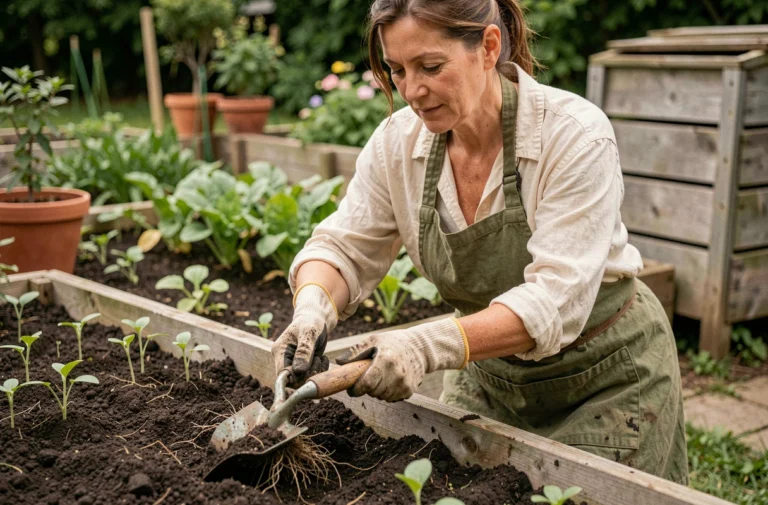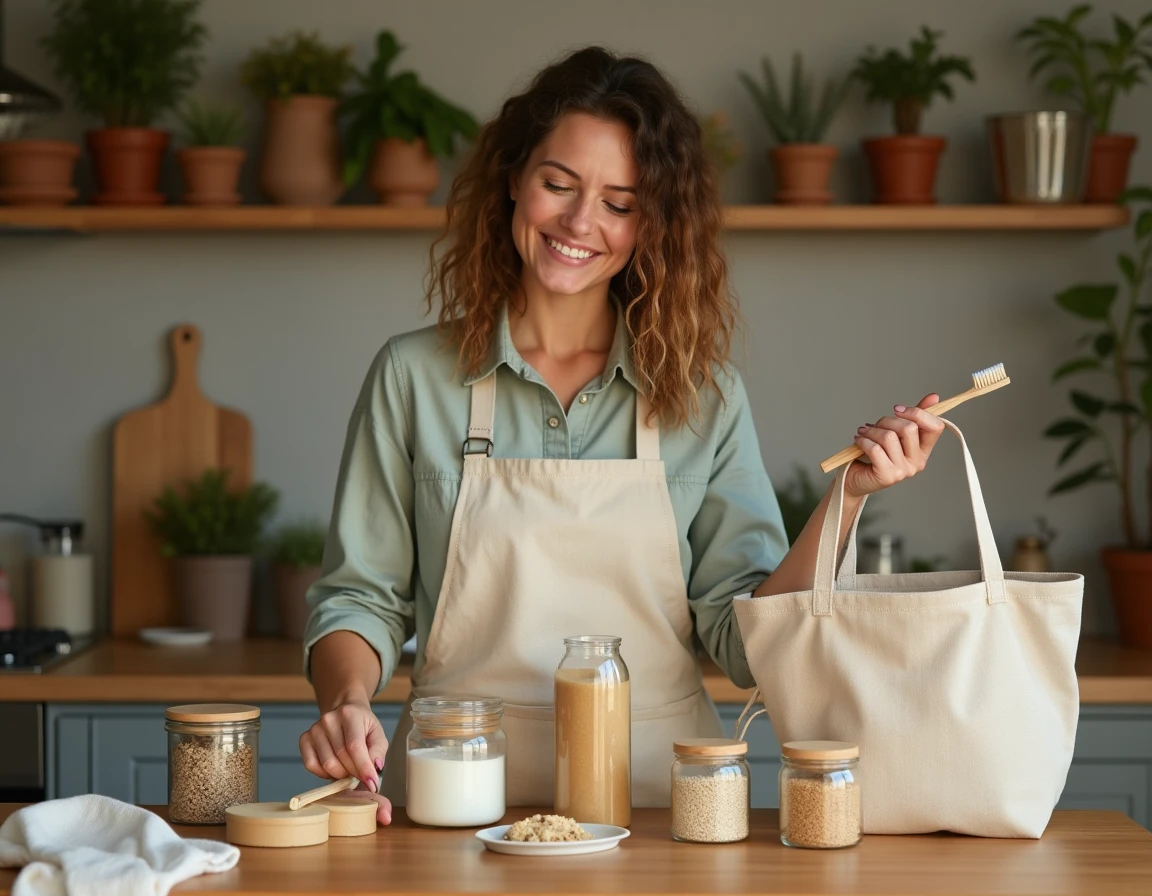
Replacing a bottled shower gel with a solid soap eliminates plastic packaging. When multiplied by each action throughout the day, switching to zero waste products transforms the amount of waste a household sends to the trash. The eco-responsible lifestyle is based on this logic: identifying disposable items in daily life and finding a reusable or biodegradable equivalent, piece by piece.
Greenwashing and zero waste products: spotting false allies
Have you ever bought a solid cosmetic labeled “zero waste” without checking its composition? Several recent surveys show that some products sold under this label have a questionable environmental impact. Raw materials imported by air freight or non-recyclable packaging hidden in the supply chain negate part of the advertised ecological benefit.
A product is not zero waste just because it says so on its label. To avoid greenwashing, three concrete reflexes help distinguish the true from the false:
- Check the origin of the ingredients. A solid soap made with shea butter transported by air freight loses its carbon advantage compared to a local refillable shower gel.
- Look at the secondary packaging. Some brands eliminate visible plastic but use plastic-coated paper or non-compostable envelopes for shipping.
- Favor short supply chains and bulk stores where the provenance of products is traceable, rather than general marketplaces.
Specialized shops like Kalinoe select ranges whose approach goes beyond mere marketing display, simplifying sorting for consumers.
Bulk and reusable at home: where to start without changing everything

The bathroom and kitchen concentrate the majority of a household’s disposable packaging. Tackling these two rooms first produces visible results quickly.
Plastic-free bathroom
The trio of solid soap, solid shampoo, and oriculi (reusable ear cleaner) replaces three types of bottles or sticks. A bar of superfatted soap often lasts longer than a bottle of shower gel of equivalent size. Each reusable item eliminates dozens of packages per year.
Washable fabric cotton pads replace disposable discs. A batch of about ten is sufficient with weekly washing. The initial investment pays off in a few months.
Kitchen and bulk shopping
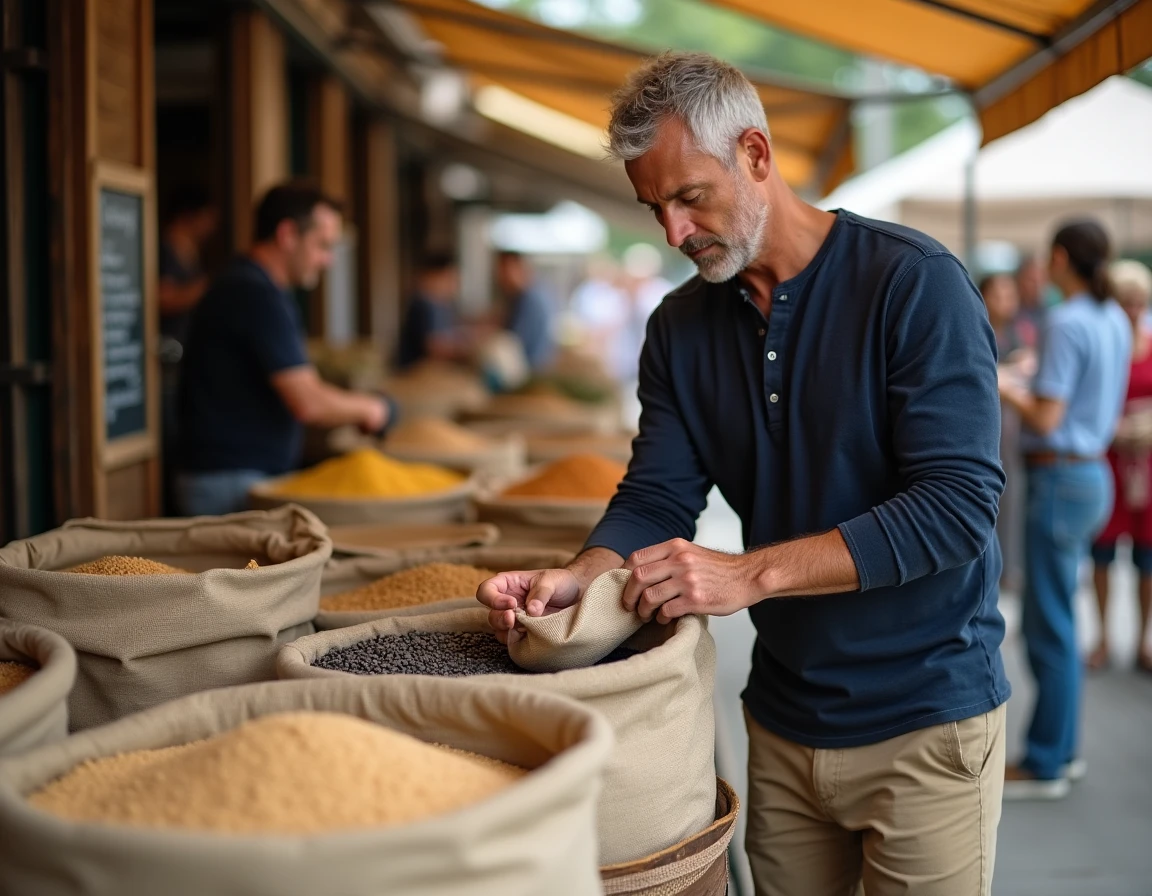
Buying in bulk does not require revolutionizing meals. Starting with dry products (pasta, rice, legumes, cereals) allows you to get familiar with reusable containers without changing eating habits.
A glass jar and a fabric bag cover most bulk purchases. Specialized grocery stores also offer bulk household products (dish soap, laundry detergent), extending the approach beyond food.
Zero waste beyond the home: office, outings, travel
Reducing waste at home is only part of daily consumption. The office and travel generate their own flow of disposables.
In France, the consumption of plastic cups at work remains considerable. Most of these cups are not recycled and end up in landfills or incineration. Bringing your own cup to the office eliminates this recurring waste.
For meals outside, a simple kit (water bottle, stainless steel cutlery, airtight container) avoids single-use containers. This is not a heavy burden: the kit fits in a handbag or backpack.
The trend is also confirmed in the restaurant industry. Bars, restaurants, and outdoor cafes are adopting reusable dishes and reducing their packaging, like La Guinguette de la Plage in Lambersart, which promotes its eco-responsible practices (preparing in large quantities to limit waste, eliminating disposable containers).
Wardrobe and sustainable fashion: the 7Rs applied to clothing
Zero waste is not limited to everyday accessories. In recent years, ready-to-wear brands have communicated about the “7Rs+” applied to fashion: reduce, reuse, recycle, repair, and several variations that extend the lifespan of clothing.
In practical terms, this involves accessible actions:
- Buying second-hand rather than new, through thrift stores or resale platforms.
- Repairing a damaged garment (sewing, patching) instead of throwing it away. A pair of jeans sewn at the knee remains perfectly wearable.
- Transforming used textiles into something else (upcycling): a torn t-shirt becomes a cleaning cloth or a tote bag.
- Reducing the volume of purchases. Fewer clothes, better chosen, worn longer.
This logic aligns with the zero waste approach for food or cosmetics: questioning the real need before purchase, then maximizing the lifespan of each item.
E-commerce and zero waste: a contradiction to nuance
Buying eco-responsible products online raises a legitimate question. Shipping cartons, plastic padding, and truck transport seem to contradict the approach. However, a well-chosen online purchase can have a lower carbon footprint than a car trip to a distant store.
The key lies in the frequency and grouping of orders. Ordering multiple products at once, choosing a pickup point instead of home delivery, and favoring shops that use recycled or deposit packaging reduce the logistical footprint.
Some specialized sites ship in recycled cardboard packaging without plastic tape, using kraft paper padding. Checking the seller’s packaging policy before placing an order is part of the approach, just like reading the ingredient list of a cosmetic.
The zero waste lifestyle does not require perfection. Every reusable product adopted, every avoided package, every repaired garment instead of being thrown away changes the volume of waste a household produces. Progress is made item by item, piece by piece, without an imposed timeline.