
Gender equality is progressing in fits and starts, driven as much by supranational directives as by local associative initiatives. In France, the legislative framework has intensified in recent years, with laws on professional equality, pay indexes, and transparency obligations for companies. Behind these institutional advances, structures relay information, document blockages, and unite the actors of change.
Pay Transparency in Europe: What the 2023 Directive Changes
The European directive 2023/970 on pay transparency marks a turning point in how wage gaps are addressed. Adopted on May 10, 2023, it requires companies to publish the wage gaps between women and men and to establish appeal mechanisms when the gap exceeds a certain threshold.
The paradigm shift can be summed up in one word: enforceability. Pay equity policies are moving from the realm of voluntary commitment to that of legal obligation. An employee who notices an unjustified gap now has a legal lever to demand a correction, and the company bears the burden of proof.
Following Future au Féminin’s news allows one to gauge how these European obligations are concretely reflected in French law and in company practices.
Member states must transpose this directive into their national legislation. France already had a professional equality index, but the directive goes further by requiring more detailed individual and collective information. Field feedback varies on this point: some companies view the exercise as a lever for employer branding, while others see it as an additional administrative burden with no real impact on pay scales.
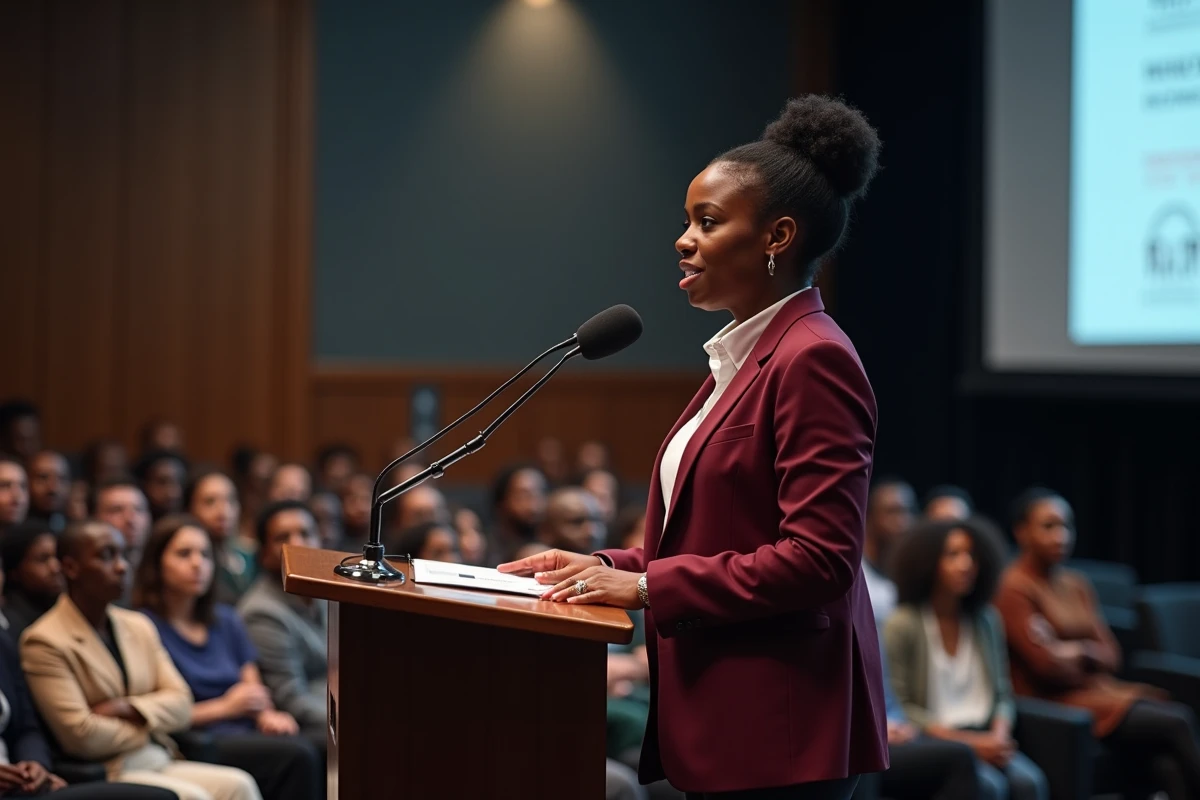
Gender Equality and Climate Financing: A Recent Convergence
The connection between gender equality and ecological transition is no longer just a militant discourse. Multilateral funds like the Green Climate Fund have strengthened, during the 2021-2023 period, the requirement for gender action plans in funded projects.
To be eligible or prioritized, projects must demonstrate concrete co-benefits for women’s empowerment. Three criteria frequently recur:
- Women’s access to land and natural resources, a prerequisite for their participation in agricultural or forestry projects
- Integrating women into the governance of climate projects, not just as beneficiaries but as decision-makers
- Access to technical and financial training, so that skills keep pace with funding
This convergence between climate justice and gender equality is based on a finding documented by UN Women: women are disproportionately affected by the effects of climate disruption, particularly because unequal social norms limit their resources and hinder their adaptive capacities.
FemTech and Women’s Economic Empowerment
The FemTech sector (technologies dedicated to women’s health and needs) represents a less covered angle in the equality debate. Since 2022, this market has seen strong growth, driven by startups developing solutions in reproductive health, pregnancy tracking, menopause management, or mental health.
FemTech transforms long-ignored needs into fully-fledged markets. The stakes go beyond health: they touch on economic empowerment. The founders of these companies raise funds, create jobs, and reposition women’s health as a subject of innovation, not as a secondary niche.
The available data does not yet allow for conclusions about the structural effect of these technologies on health inequalities. However, the signal sent to investors and public policies is clear: investing in women’s health produces measurable economic value.
The Role of Associations in Disseminating These Initiatives
Legislative and technological advances only have an effect if they are known and appropriated. This is the work of associative structures that document initiatives, relay calls for projects, and network the actors of professional equality.
This monitoring and mediation work covers several areas:
- Monitoring regulatory developments regarding workplace equality, particularly the transposition of European directives
- Highlighting local initiatives, often unknown, led by companies or local authorities
- Training and raising awareness among the public, especially young women at the start of their professional lives

Professional Equality in France: The Limits of Existing Tools
The professional equality index, implemented in France, requires companies of a certain size to publish a score out of one hundred reflecting wage gaps, promotions, and raises. The tool has the merit of existing, but its limitations are documented.
A high score does not mean the absence of structural gaps. The index measures average gaps by category, which can mask disparities within the same position. Companies can achieve a satisfactory score while maintaining glass ceilings in access to leadership positions.
The European directive of 2023 could address some of these blind spots by imposing more granular transparency. The coming years will tell whether this overlay of national and European tools produces a concrete effect on wage gaps or if it generates administrative compliance without substantive change.
The Generation Equality Forum, co-chaired by France and Mexico under the auspices of UN Women, set ambitious commitments through its action coalitions. Monitoring these commitments remains a delicate exercise, as accountability mechanisms vary from country to country and consolidated data is slow to be published.
Gender equality is advancing on multiple fronts simultaneously, from labor law to climate financing to technological innovation. Legal tools are strengthening, funding is being conditioned, and markets are being structured. The open question remains about the speed: will these mechanisms produce tangible results before political commitments wane?