
Let’s dive into the fascinating and varied world of body piercings, an ancient practice that has traversed ages and cultures before making its way into our modern societies. Piercings are much more than mere body decorations; they are a form of individual expression, rebellion, a sign of belonging to a community, or simply a symbol of beauty. From the ear to the navel, including the nose and many other places on the body, various body parts are likely to be pierced. This comprehensive file will give you a detailed overview of the different types of body piercings, the procedure, the necessary care, and the associated risks.
The Ancestral Origins of Piercing: A Millennia-Old and Universal Practice
The ancestral origins of body piercing date back thousands of years. Archaeological evidence shows us that the Egyptians practiced piercing as early as 2500 BC, notably with the famous ear and nose piercings. In some African cultures, wearing jewelry in the nose or ears is an ancient tradition symbolizing beauty and ethnic belonging.
Piercing has also played a significant role in various cultural and religious aspects around the world. For example, among the Maori in New Zealand, the ‘Moko’, a type of facial piercing representing complex tribal patterns, was considered a strong mark of cultural identity.
Nowadays, the growing popularity of the double nipple piercing is remarkable. This type of piercing exudes a sensual aura while expressing boldness and self-confidence. It is often associated with alternative and rock’n’roll aesthetics, but it can also be seen as a symbol of sexual and feminist affirmation.
Be sure to be aware of the risks associated with body piercings before taking the plunge. Infection being the main concern, it is crucial to choose a competent professional to perform the procedure in order to minimize these potential risks.
Once pierced, proper care is essential to avoid any further complications: regular cleaning with suitable products, avoiding excessive contact with water or other potentially irritating substances.
Although body piercing is an ancient practice, it continues to gain popularity and evolve in our modern society. Whether it is a simple ornamental piece or a bold statement, body piercings are a unique way for everyone to express themselves and stand out.
Piercings: Varied Styles and Deep Symbols
In the world of body piercing, there are a multitude of types, and each piercing has its own meaning. Here is an overview of the most common types of piercings:
The eyebrow piercing: This piercing is placed above the eyebrow and can be associated with the idea of having a rebellious or unconventional spirit.
The nose piercing: One of the most popular piercings, it can be done on different parts of the nose, such as the nostril or septum. The meanings vary by culture and can represent femininity, spirituality, or simply an aesthetic choice.
The tongue piercing: This type of piercing is often linked to a quest for intense sensations and can symbolize a bold or provocative attitude.
The ear piercing: Earlobes are often pierced to wear earrings, but some also choose less traditional locations like the tragus (the small cartilaginous part in front of the ear canal) or the helix (the upper part of the outer ear).
The navel piercing: Very popular among women, this type of piercing is generally perceived as sensual and often draws attention to this area of the body.
Piercing and Culture: Between Traditions and Beliefs
The cultural and religious aspects related to body piercing are just as fascinating as the different aesthetic forms it offers. Piercing, through the centuries, has been a means of symbolic expression in many cultures around the world.
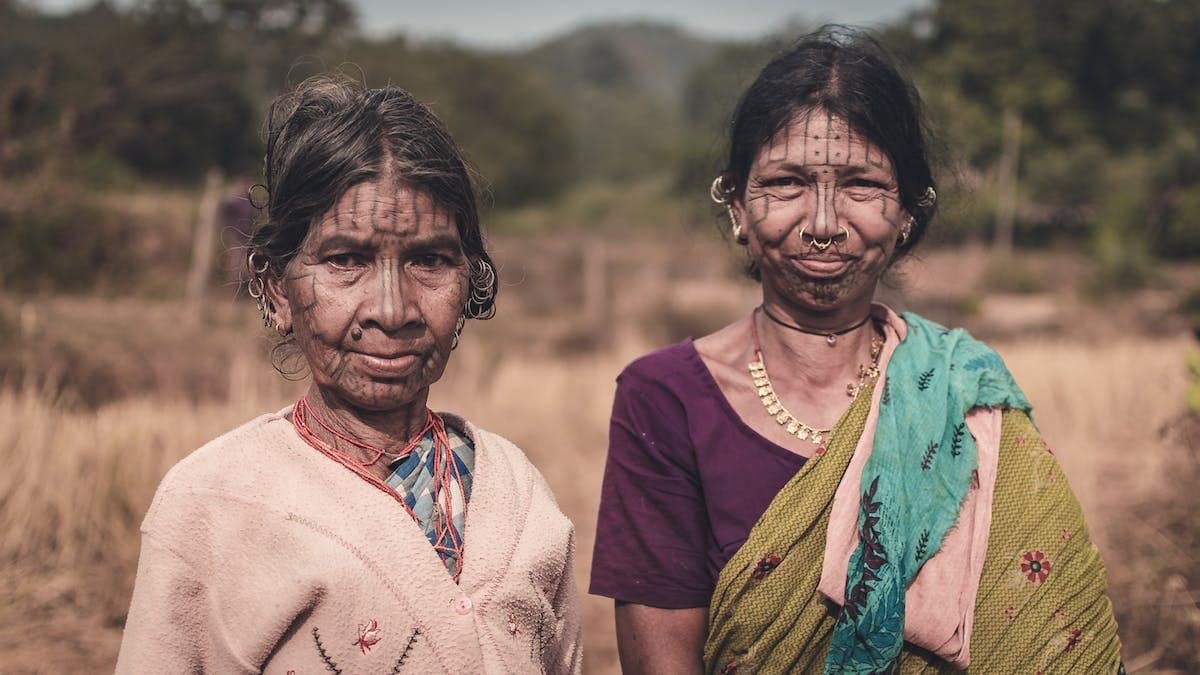
In some African tribal traditions, for example, lip or nose piercing was considered a mark of beauty and high social status. It also represented the transition to adulthood for young girls. Similarly, among the Maori in New Zealand, facial tattooing often accompanied traditional ear piercing.
In other ancient cultures such as those of the Maya and Aztecs in Central America, as well as among some Native American tribes in North America, body piercing had a profound spiritual connotation. Piercings were used during religious ceremonies to communicate with the gods or to connect with supernatural forces.
Even today, several religions have incorporated body piercing into their sacred rituals. For example, in the Hindu religion in India, it is common for some devoted followers to wear a ring or pierced jewelry in their left nostril to show their devotion to the deity Shiva.
Beyond the cultural and religious meanings associated with body piercing, it is important to note that each individual gives their own personal interpretation to their aesthetic choices. Some may see it as a form of body art and a way to stand out, while others may simply consider it an expression of their individuality.
Whatever the meaning attributed to body piercing, it is crucial to emphasize the importance of mutual respect and tolerance towards individual choices. Everyone should be free to decide how they wish to express their own identity through this ancient practice.
Body piercing transcends cultural and religious boundaries to become a universal language that allows individuals to assert their uniqueness and belonging to a specific community. Whether through aesthetic choice or spiritual conviction, every person has the fundamental right to decide how they wish to adorn their body according to their own values and beliefs.
Piercing: Beware of Risks, Prepare Yourself!
When it comes to getting pierced, you must take into account the potential risks and take the necessary precautions to minimize any negative impact on your health. Although body piercing is a common practice, it should never be taken lightly.
You should choose a qualified and experienced professional to perform the piercing. Poor technique or the use of non-sterilized equipment can lead to serious infections such as cellulitis or abscess. It is therefore recommended to inquire about the piercer’s certifications and experience before making a decision.
Before proceeding with the piercing, a thorough discussion with the professional is essential. It is crucial to communicate all relevant information about your general health—such as allergies, existing medical conditions, or ongoing treatments—so that they can assess whether you are fit to undergo this procedure without additional risk.
Another crucial measure is to properly care for the pierced area after the procedure. Regular cleaning with a saline solution specifically recommended by the piercer will help prevent any bacterial infection and promote faster healing. Also, avoid excessive exposure to chlorinated (pool) or salty (sea) water during the initial post-piercing period.
Beyond general precautions, each specific type of piercing has its own particular hygiene and maintenance considerations. For example, tongue piercings require special attention to avoid complications such as bacterial infections or speech problems. The professional’s advice should be followed scrupulously to prevent any unnecessary risks.
It should be noted that each individual reacts differently to the healing process after a body piercing. Some may heal quickly in just a few weeks, while others may require several months before the area is completely healed. Patience and vigilance are therefore essential in this process.
It is undeniable that body piercing carries certain potential risks to your health. With the right precautions and by carefully following the recommendations of the qualified professional performing the procedure, these risks can be significantly minimized.
Getting pierced is a personal decision that should be made responsibly and with an understanding of the possible consequences. It is essential to be well-informed about the different aspects related to body piercing and to take all necessary measures to ensure your safety and well-being during the healing process.
Caring for Your Piercing: Tips and Tricks
When it comes to caring for your body piercing, rigorous hygiene is essential to prevent infections and promote optimal healing. Here are some essential tips to help you maintain the health and aesthetics of your piercing:
Clean regularly: It is crucial to clean your piercing daily with a saline solution recommended by the professional who performed the procedure. Avoid using harsh products such as alcohol or peroxide, as they can irritate the skin and slow down the healing process.
Avoid excessive touching: Even though it may be tempting, avoid constantly touching your piercing with unwashed hands. The bacteria present on your fingers can cause unwanted infections.
Do not prematurely remove jewelry: During the initial healing period, never remove the jewelry inserted in your piercing unless specifically instructed by the professional who performed it. Premature removal can lead to the closure of the hole before it is fully healed.
Protect yourself during physical activities: If you engage in sports or any other intense physical activity, it is advisable to use a sterile bandage to protect your piercing from friction and accidental impacts.
Be vigilant for signs of infection: If you notice abnormal excessive redness, pain, swelling, or purulent discharge around the piercing, consult a healthcare professional immediately. These symptoms are often signs of infection and require medical attention.
Avoid cosmetic products: During the healing period, avoid using makeup, creams, or lotions on the pierced area. These products can clog pores and hinder healing.
Follow recommendations for jewelry replacement: Once your piercing is completely healed, you can consider changing your initial jewelry for another model that matches your personal preferences. Always consult a professional before any change to avoid any undesirable complications.
By following these simple yet essential tips, you will maximize your chances of maintaining a healthy and aesthetically pleasing body piercing in the long term. Also remember to pay particular attention to post-piercing care specific to each type of piercing (nose, ear, navel…), as they all have their own particularities in terms of hygiene and maintenance.
Effectively caring for your piercing is not limited to just the first few days following the procedure; it is a continuous process that requires patience and discipline. By adhering to these main tips as well as the instructions given by your qualified professional throughout the healing process, you will minimize the potential risks associated with body piercings while fully enjoying the aesthetic benefits and personal expression they offer.