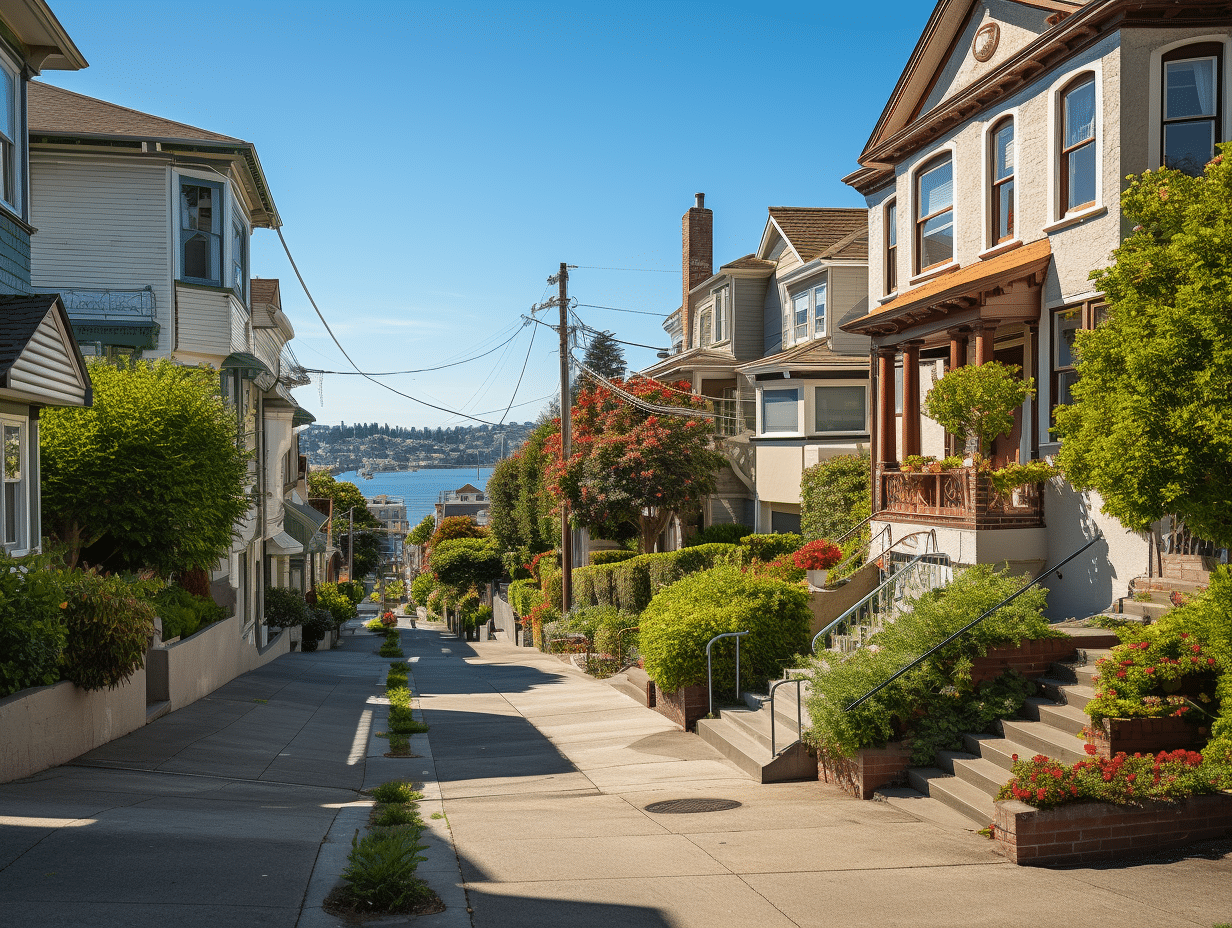
Investing in real estate requires special attention to the choice of neighborhood. This determining factor influences not only the value of the investment but also its long-term profitability potential. The criteria to consider are numerous: safety, proximity to services and infrastructure, accessibility to transportation, the quality of schools, as well as the economic dynamism of the area. A neighborhood in full expansion or undergoing gentrification can offer great prospects for appreciation. Conversely, signs of decline may foreshadow future difficulties. A thorough analysis of the local market is essential to make the right choice.
Real Estate Market Analysis: Understanding Current Trends
The real estate market fluctuates according to rental demand and the level of rental tension. The latter, a true key indicator, reveals the attractiveness of a city and the ease with which properties are rented. High rental tension means that demand exceeds supply, creating an environment conducive to real estate investment. This is the case in certain metropolitan areas where agencies France Immo, among others, report intense rental activity. The real estate price, therefore, is impacted and can experience a significant increase, directly influencing the rental profitability of properties.
Understanding the local real estate market is crucial. Each city, even each neighborhood, has its specific characteristics that define its market. Investors must scrutinize signs of economic dynamism, the range of available services, and the demographic profile. Observing urban development projects can also foreshadow future market changes. Neighborhoods undergoing renovation or revitalization often signify opportunities for medium and long-term appreciation, especially if the area is supported by measures such as the Pinel Law.
In an era where information circulates at an unprecedented speed, adapting to new trends is essential. The digitization of real estate data offers investors direct access to in-depth analyses. Using these tools allows for the detection of areas with high rental tension and tracking the evolution of real estate prices. Real estate professionals, such as those at France Immo, provide market studies that help anticipate market movements and invest wisely.

Essential Criteria for Choosing the Right Neighborhood for Your Investment
Location, a determining factor, dictates rental profitability. A well-located neighborhood, rich in amenities and well-served by public transport, invariably attracts a substantial rental clientele. To make a wise real estate investment, study the surrounding infrastructure, accessibility, and the quality of life offered. Neighborhoods close to employment centers, universities, and cultural hubs are often safe bets, thus enhancing rental security.
Anticipating urban developments is also an asset. Renovation or beautification projects initiated by municipalities can signal future revaluation of the affected neighborhoods. The Pinel Law, with its tax advantages, encourages investment in specific areas, often undergoing rehabilitation. Target these neighborhoods for a dual opportunity: to benefit from tax incentives and hope for future appreciation.
The diversity of available property types in a neighborhood can influence your decision. A neighborhood offering a wide range of housing, from studios to townhouses, is likely to meet the varied needs of potential tenants. This heterogeneity, in terms of real estate, ensures social and economic diversity, thus generating a stable environment for rental investment. Consider the current demand, but also future demographic trends, to choose a neighborhood that will remain attractive in the long term.