Correction:
Animal intelligence, long underestimated, reveals itself through complex behaviors and surprising learning abilities. In-depth scientific studies have shed light on the cognitive prowess of various species. From corvids manipulating tools to octopuses escaping from their aquariums, these fascinating cases expand our understanding of non-human intelligence. Field and laboratory research demonstrate that animals can solve problems, communicate in sophisticated ways, and even show empathy. These discoveries invite us to rethink the boundaries between species and recognize the widespread ingenuity within the animal kingdom.
Read also : Fashion and Personal Identity: A Complex Link
Manifestations of Animal Intelligence Across Various Species
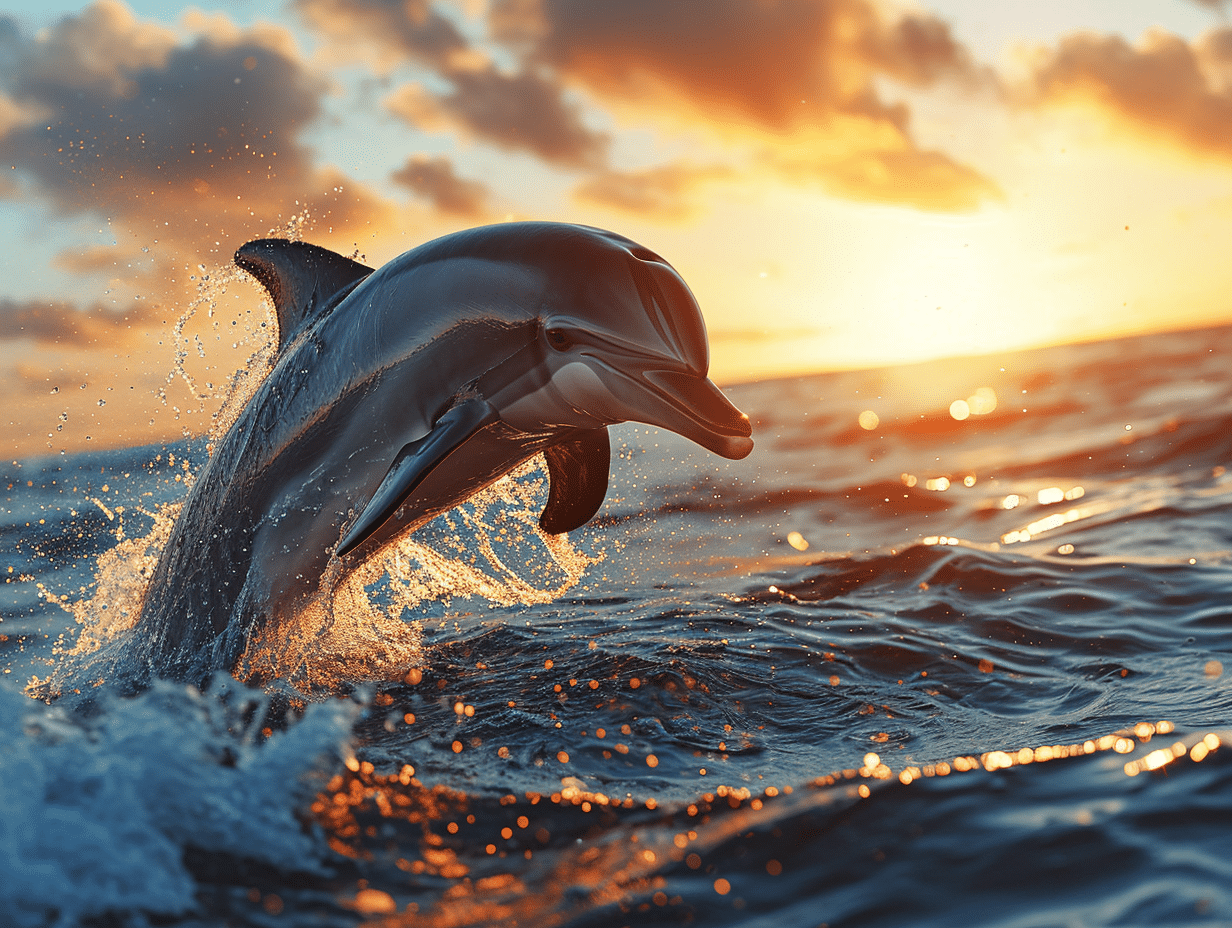
Top Animaux reflects the cognitive diversity of the wild world. From octopuses using coconut shells as shields to chimpanzees wielding twigs to harvest termites, examples of cognitive abilities and tool use abound. Dolphins, with their complex language and ability to recognize their reflection in a mirror, embody this marine ingenuity. These sophisticated behaviors highlight that animal intelligence often exceeds our expectations.
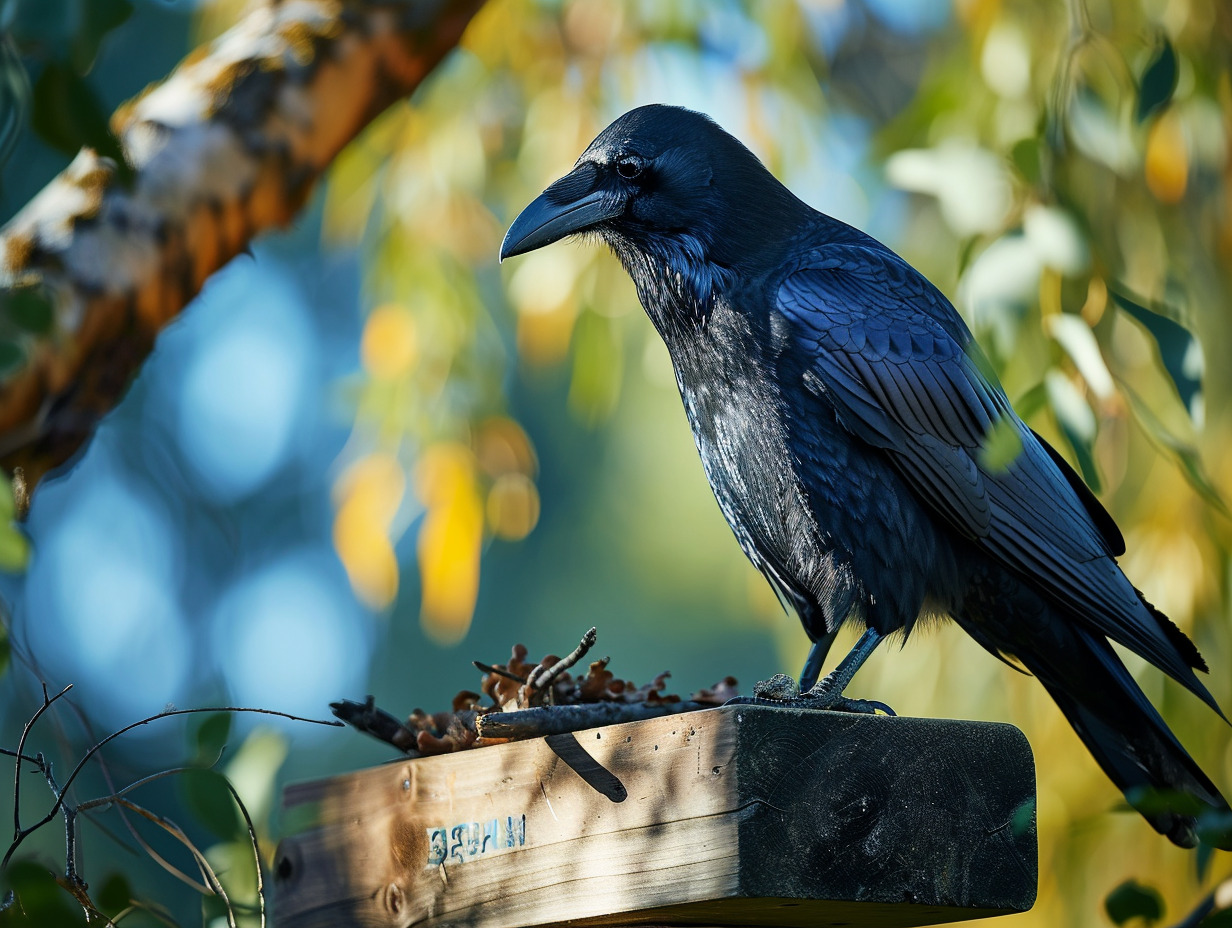
Crows, demonstrating complex behaviors such as repeatedly hiding their food to deceive potential thieves, provide insight into animal strategy. Their intelligence rivals that of primates, a comparison that shakes our own perception of human supremacy. Parrots, with their aptitude for advanced communication and understanding of abstract concepts, testify to the richness of language among birds.
You may also like : Discover the Surprising Health and Wellness Benefits of Whisky
Elephants, with their respectful behavior towards death and their recognition in the mirror test, exhibit remarkable sensitivity and self-awareness. This ability to recognize themselves and react to the loss of a peer broadens our conception of empathy beyond the human species. Their displays of mourning reveal an emotional depth often overlooked.
Rats, with their reasoning ability and episodic memory, as well as sperm whales, endowed with a large brain whose intelligence remains partly mysterious, illustrate the plurality of forms of intelligence in the animal kingdom. These species, often underestimated in their abilities, push us to reevaluate the complexity of mental processes in animals.
Scientific Advances and Case Studies Shedding Light on Animal Intelligence
For decades, animal psychology has sought to unravel the mysteries of non-human intelligence. Pioneers like Jane Goodall have revolutionized the way we understand the cognitive abilities of primates. Her work on chimpanzees, particularly their use of tools to fish for termites, laid the groundwork for a thorough study of the animal world. These pioneering studies have established a bridge between human intelligence and that of other species, highlighting the multiple forms of intelligence.
The commitment of researchers like Irene Pepperberg has revealed the complexity of communication in parrots. Her renowned study on the parrot Alex highlighted his ability to understand and reproduce abstract concepts, demonstrating remarkable communicative intelligence. These discoveries have profoundly influenced comparative psychology, paving the way for a better appreciation of mental processes in birds.
In the marine field, Louis Herman and his team studied dolphin cognition, revealing their ability to understand complex gestures and solve problems. These studies on dolphins have shown that their language and tool use, such as sponges, are not mere learned behaviors but signs of sophisticated intelligence. The university where Herman conducted his research continues to be at the forefront of animal cognition studies, contributing to our understanding of forms of intelligence in the ocean.
Modern research, constantly evolving, insists that animal intelligence is diverse and cannot be hierarchized. Current scientific studies, relying on rigorous methodologies and innovative technologies, reveal unsuspected forms of intelligence in many species. These works invite a continuous reevaluation of our knowledge and biases about the animal world, forging a more nuanced and richer understanding of the minds that surround us.