At the turn of the century, the LGBTQ+ community saw its visibility increase thanks to the emergence of dedicated digital platforms. With the rise of social media, these platforms evolved from forums originally designed for meeting and support to more varied spaces that promote expression and awareness. This transition was accompanied by the creation of specific content, live discussions, and targeted awareness campaigns. Current communication platforms play a fundamental role in the empowerment of the LGBTQ+ community, giving them a stronger voice in the overall social discourse.
From Marginalization to Visibility: The Historical Evolution of LGBTQ Communication Platforms
In a world where digital communication reshapes the contours of our societies, digital media have become essential means of information, as well as tools for mobilization and activism for LGBT communities. Once confined to the shadows, these communities now find in social media a resonance for their voices, often suppressed or ignored. Online platforms have contributed to changing the perception of homosexuality and the images that stem from it, allowing for the overcoming of stereotypical and often negative representations.
Social media thus proves to be spaces for expression and meeting for sexual minorities, providing a place for open gay dialogue free from geographical or societal constraints. In Tunisia, for example, despite a repressive penal code condemning homosexuality, LGBT activists use digital platforms to contest, raise awareness, and create networks of solidarity. Under the spotlight of digital media, homosexuality emerges not as a crime, but as a matter of human rights and diversity.
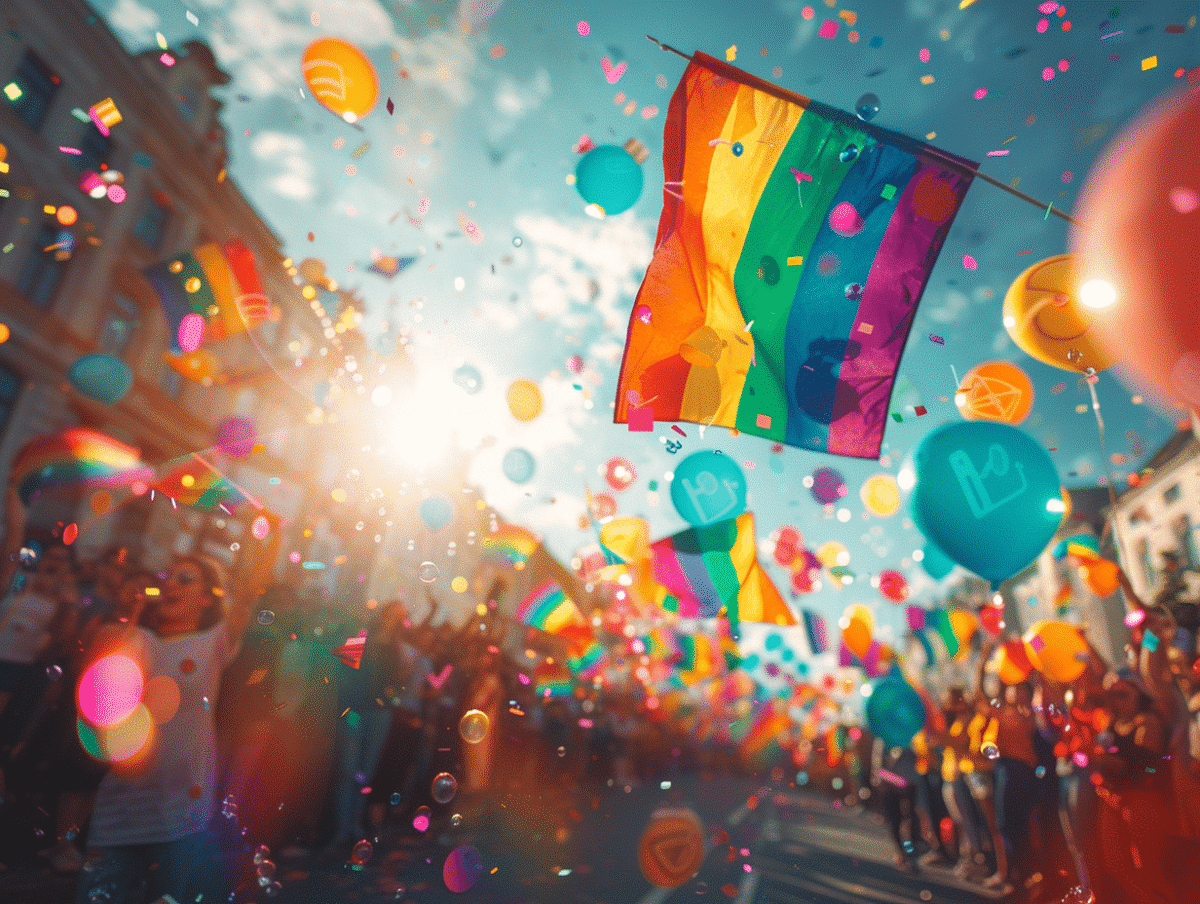
This rise of digital platforms coincides with events such as the pride march, which find amplified resonance through the virality of social media. The increased visibility of the struggles and celebrations of LGBT communities, propelled by these new communication channels, fosters a sense of belonging and strengthens resilience in the face of adversity. Consider that these digital tools not only provide a platform for visibility but also actively participate in redefining social norms regarding sexual orientation and gender identity, marking a decisive step towards greater diversity and inclusion.

Current Impact and Challenges of Digital Platforms for the LGBTQ Community
Digital platforms and social media are now positioned as powerful levers for LGBTQ communities. Facebook, in particular, has proven to be a strategic tool for organizations that host pages dedicated to visibility and mobilization. These digital spaces allow for the dissemination of information, the organization of events, and large-scale awareness-raising, despite the still prevalent homophobia in many societies, including Tunisia, where the expression of this discrimination is openly displayed.
However, despite advancements, challenges remain significant. The media strategies surrounding LGBTQ issues sometimes face the phenomenon of pink washing, where the image of sexual diversity is exploited for commercial purposes without a concrete commitment to the cause. This method of communication can divert attention from the real issues and struggles faced by the community, reducing the activist impact of messages to mere brand aesthetics.
Social media also raises questions about the representation of LGBTQ identities in advertising and media. While increased visibility is beneficial for demystifying prejudices, it raises questions about the sincerity of companies in their approach to diversity and inclusion. LGBTQ representation should not be seen as a fleeting marketing trend but as a long-term commitment to values of respect and equality.
Advocating for rights through digital social media requires constant vigilance against attempts at censorship or repression. While platforms do provide a space for freedom, they can also be the scene of harassment or homophobic acts. Actors and users must then be inventive in countering these attacks and maintaining a welcoming and safe environment for all.